Mon–Fri: 10am–6pm | Sat: 10am–5pm
WELCOME TO

Family-Owned & Serving Our Community
for Over 35 Years.
WELCOME TO
Family-Owned & Serving Our Community for Over 35 Years.

Pawn Loans
Need money today? Bring in something of value and we’ll make you a loan offer. No credit check required. It’s quick, simple, and your items are stored safely until you’re ready to pick them up.
READ MORE
Buy or Shop
Looking for great prices on electronics, tools, jewelry, and more? Visit our store or browse online at shop.axels.com. We update inventory often, so you’re sure to find something worth checking out.
READ MORE
Sell Items
Got something you’re no longer using? Bring it in. We’ll take a look and make you a fair cash offer. No pressure and no long wait.
READ MORE
Trade-In Option
Want something new without spending extra? Bring in an item you no longer need and trade it for something in our inventory. It’s an easy way to get value from what you already own.
READ MORE
Free Testing
Not sure what something is worth? Curious if your gold or jewelry is real? We offer free testing and honest appraisals while you wait. No obligation, just friendly advice.
READ MOREWhat Services We Offer
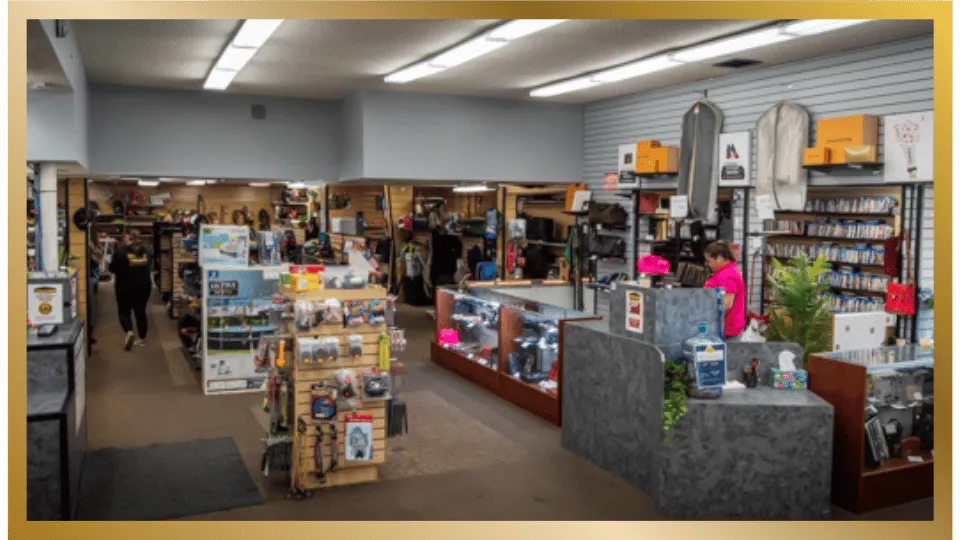
At Axels Pawn & Luxury, we’re here to help you get the most out of the items you own. Whether you’re borrowing, selling, buying, or just need a quick appraisal, we make the process simple, fair, and fast.
What Services We Offer
At Axels Pawn & Luxury, we’re here to help you get the most out of the items you own. Whether you’re borrowing, selling, buying, or just need a quick appraisal, we make the process simple, fair, and fast.
About Us
Who we are and what we do
Established in 1990 and proudly serving the same location for over 35 years, the Karlson family and their dedicated loan/sales associates have built a reputation as the fastest and friendliest pawnbrokers around.
Here’s a look back at one of our early commercials →
At Axels Pawnshop, fairness, and honesty have always been at the core of everything we do. This mission has guided us since the beginning and continues to define how we serve our community today. Whether you need a small loan for an unexpected expense or a larger loan to help navigate tough times, Axels Pawnshop is here to help.
About Us
Who we are and what we do
Established in 1990 and proudly serving the same location for over 35 years, the Karlson family and their dedicated loan/sales associates have built a reputation as the fastest and friendliest pawnbrokers around.
At Axels Pawnshop, fairness, and honesty have always been at the core of everything we do. This mission has guided us since the beginning and continues to define how we serve our community today. Whether you need a small loan for an unexpected expense or a larger loan to help navigate tough times, Axels Pawnshop is here to help.
Here’s a look back at one of our early commercials ...
Testimonials
Testimonials
Our Team
Meet Our Professional Team
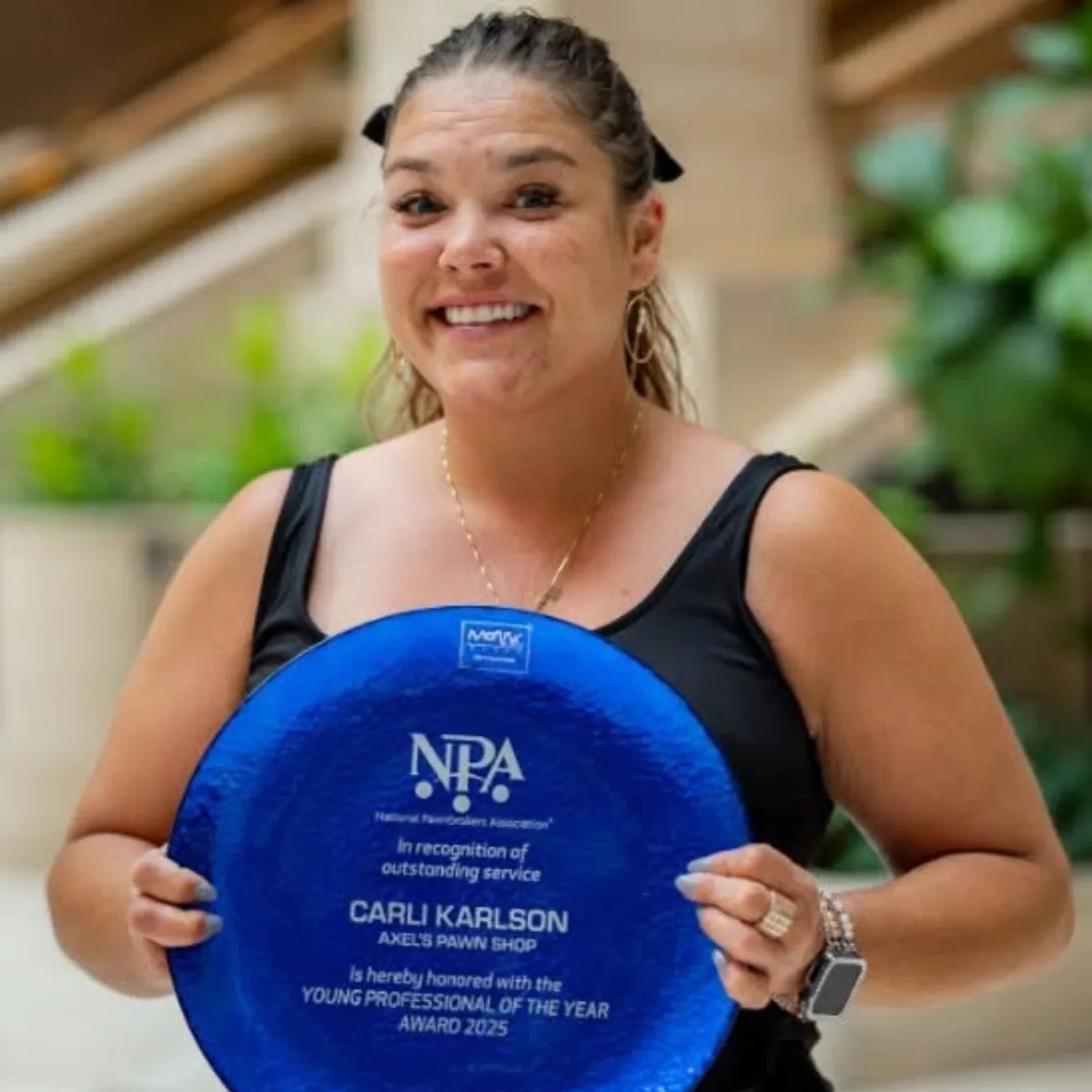
Carli Karlson
CEO

Bailey Kenney
Manager
Nikki Wiens
Marshall Desjarlais
Pawn Expert
Logan Kittilstved
Paul Cramer
Coin Expert
Get In Touch
Get In Touch
Axels Pawn
35 years serving Spokane, WA, we are here for all of your pawn, buy, sell and trade needs. Still family owned and operated. Give us a call if there is anything we can help you with.
Get In Touch
Mon - Fri (10AM - 6PM)
Sat (10AM - 5PM)
Sun (Closed)
For Google Compliance for Personal Loans and Pawn Shops
• Axels Pawn Has No Minimum or Maximum Term for our loans. If you receive a loan from Axels Pawn you are allowed to pick up your loan the very next day OR keep your loan here as long as you would like. Interest accrues on a monthly basis and must be paid accordingly.
• Maximum APR on MLA Loans is 35%, APR Max.
• The total cost of an MLA Loan will not exceed 35% APR even after all applicable fees are applied.
• Axels Pawn Does Not Require loans to be repaid within 60 days of the loan date.
• For example, if you have an asset with a liquid wholesale value of $25,000 and borrow $10,000, your interest would be $291.66/month. If you borrowed the money for 3 months, your total payback amount would be $10,740.
• For more information visit our loans FAQ
Axels Pawn has the lowest Cash Pawn Loan interest rates in the area. Depending on the loan amount… We offer Monthly interest charges as low as 2.9% per month (see example below). There is No Minimum or Maximum period for repayment. Our cash pawn loans run on a 90-day basis and can be renewed as many times as you need. Axels Pawn is also MLA compliant and offers loans with a fixed rate of 35% APR with all fees included. After you take out your loan, you’ll have 3 options to get your item back: First, you can come to pay off your entire loan anytime within the first 90-day term and get your item/s back. Second, you can come to pay just the minimum on your loan which is the interest payment within 90 days. Finally, unlike most traditional pawn shops, Axels Pawn doesn’t want you to lose your valuables. Therefore, we will let you make payments towards your principal loan balance along with the interest payments. You can get your valuables back once your loan is paid in full. Axels Pawn Does Not Require loans to be repaid within 60 days of the loan date.
Axels Pawn
35 years serving Spokane, WA, we are here for all of your pawn, buy, sell and trade needs. Still family owned and operated. Give us a call if there is anything we can help you with.
Get In Touch
Mon - Fri (10AM - 6PM)
Sat (10AM - 5PM)
Sun (Closed)











Home
Services
Shop Online
About
We Accept
Contact